
News & Updates
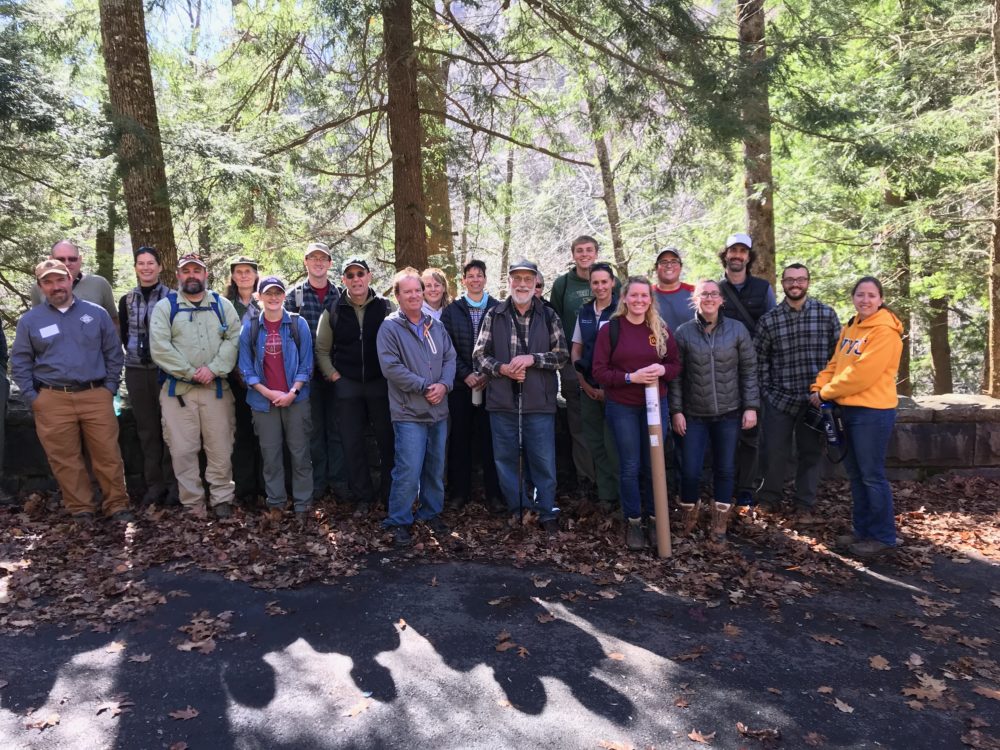
Connecting People, Places and Trees: SHR Shares Red Spruce Restoration Best Management Practices at High Elevation Forest Restoration Workshop
When people aligned in the same mission gather together and work cooperatively towards a common goal, an interconnectivity emerges. Linking pieces of information, relationships and people together begins to form one larger, more valuable picture. Each individual piece of the puzzle is important alone but when connected, as the great philosopher Aristotle observed, “the whole is greater than the sum of its parts.”
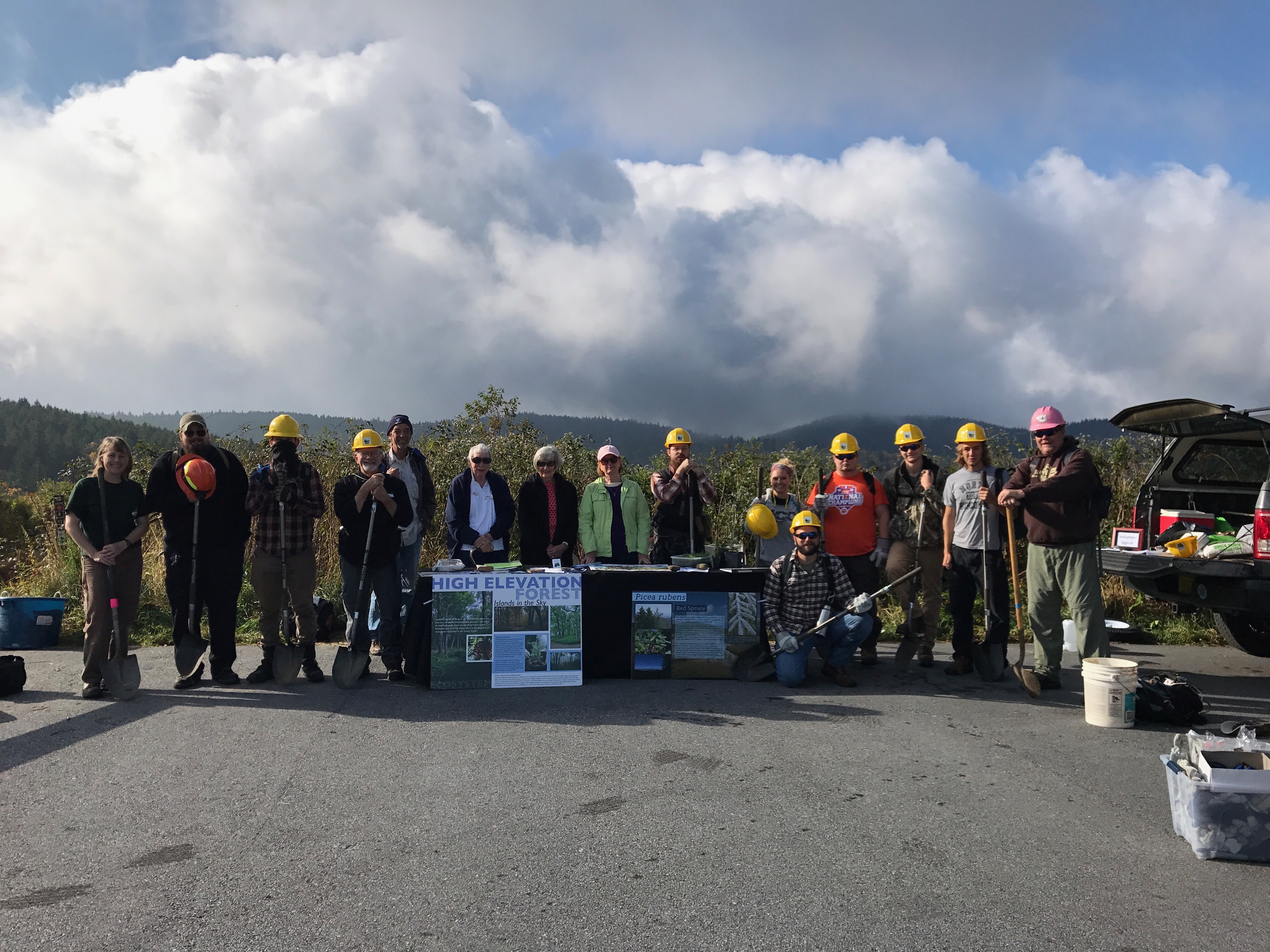
Red Spruce Restoration Program Grows New Roots: Partners in Restoration Plant 900 Red Spruce Near Black Balsam
On September 18th and 19th, representatives from the Southern Appalachian Spruce Restoration Initiative (SASRI) gathered in Black Balsam to restore red spruce on public lands in Western NC. Over 900 young red spruce trees were carried on foot and horseback by dozens of volunteers and members of SASRI to their new home deep in the woods on public lands. In two days, these dedicated conservationists made at least seven trips down the Flat Laurel Branch Trail, some logging 14 miles for the day. The red spruce trees were grown by Southern Highlands Reserve as part of a larger long-term effort to restore red spruce to its high-elevation native habitat on public lands in the Southern Blue Ridge Mountains.

Gardening for a Changing Climate: How Shifts in Climate Should Guide our Conservation Practices
The onset of hurricane and fire season this year has brought an alarming degree of destruction to communities across the planet and disruption to the delicate balance of ecosystems. Record-breaking precipitation levels, fires, storm intensity, and storm frequency parallel the predictions of climate scientists for the past two decades: as oceans warm, we will observe increased storm activity, frequency, and intensity. In light of the devastation of recent extreme weather events from Hurricane Harvey and Irma on such a harrowing scale, we ask ourselves: are we powerless to stop this kind of catastrophic damage from happening again? What can we do at home to reduce our ecological footprint and adapt to the predicted long-term weather conditions? Further, what can we do to help strengthen the resiliency of our ecosystems and empower others to leave this earth better than we found it for future generations?

Gardener’s Corner – Fall Edition
As the summer comes to a close for fall, we prepare for winter by helping the gardens go into a hibernation of their own, tucked into their beds and ready for a long, dormant season.
Throughout the year, SHR staff prepare for the next generation of native plants to adorn the landscape. After bearing summertime fruit, plenty of seeds are ready for harvest throughout the gardens. Our gardeners are busy collecting seeds from our native plant collection, storing the genetic programming for the coming years. Seeds are stored in the Chestnut Lodge, each labeled to identify species, date and location they were collected. This information will then be added to our accession records once these seeds germinate and are planted back into the gardens. SHR takes great pride in our meticulous data collection as this is the lifeblood of the landscape; knowing where we come from will help steer us where we are going in the future.
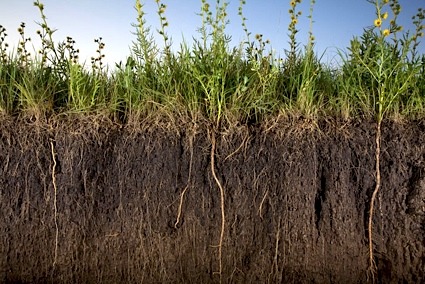
Soils: Nourishing Gardens from the Ground Up
Soils are the backbone of the landscape, nurturing gardens from the ground up. As we transition from warm late summer months into the harvest of fall, now is the time...
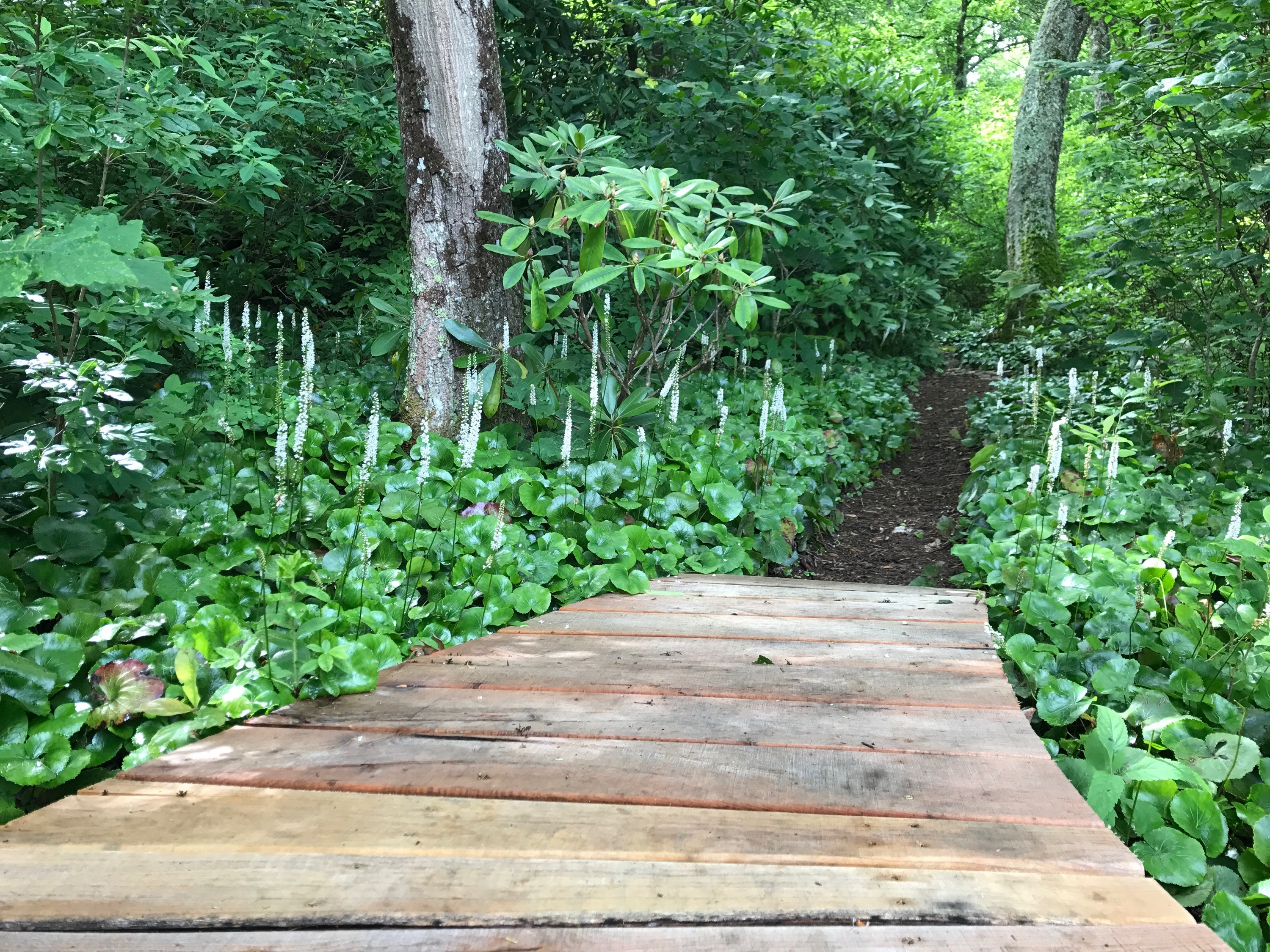
Gardener’s Corner: Summer Edition
With the onset of the warm summer months, the gardens are at their fullest and our gardeners are busy adding new native plants to our garden rooms and maintaining them daily, preventing pests and weeds from encroaching into the landscape.
We are pleased to see a positive impact on the gardens from the implementation of our most recent water mitigation best management practices. By controlling the direction of water flow and rate at which water moves across the landscape, we are able to minimize the need for maintenance following heavy precipitation events. We’re adding mulch and soil to low areas that have been washed out by rainfall. In the Vasyei creek, we’re adding additional rock to slow the flow of water and prevent further washout. The increase of intensity and frequency of precipitation events is a by-product of climate change. By planning ahead and implementing measures now, we mitigate the negative effects of climate change at the Reserve.

“Women of the Woods” Write New Chapter in a Multi-Generational Story of Conservation in Partnership with Southern Highlands Reserve
The Waighstill Avery Daughters of the American Revolution (DAR) have played a role in conservation spanning over 100 years in Western North Carolina, from a pre-war...
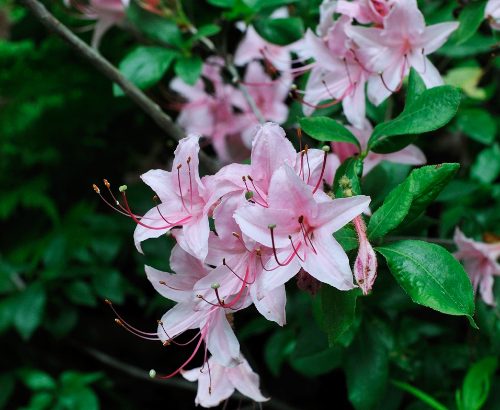
Where the Wild Things Are: Annual Symposium Addresses the Role of the Wild in Garden Design, Invasive Species Management and Human History
On May 13th, 2017, SHR’s Founders and staff welcomed a sold out crowd to learn from renowned experts in horticulture at our seventh Native Plant Symposium. Following a...

Celebrating National Pollinator Week at Home and in Your Garden
Although pollinators are busy year-round, the third week in June is celebrated as National Pollinator Week, this year falling on June 19-25, 2017. If you’ve eaten today...