
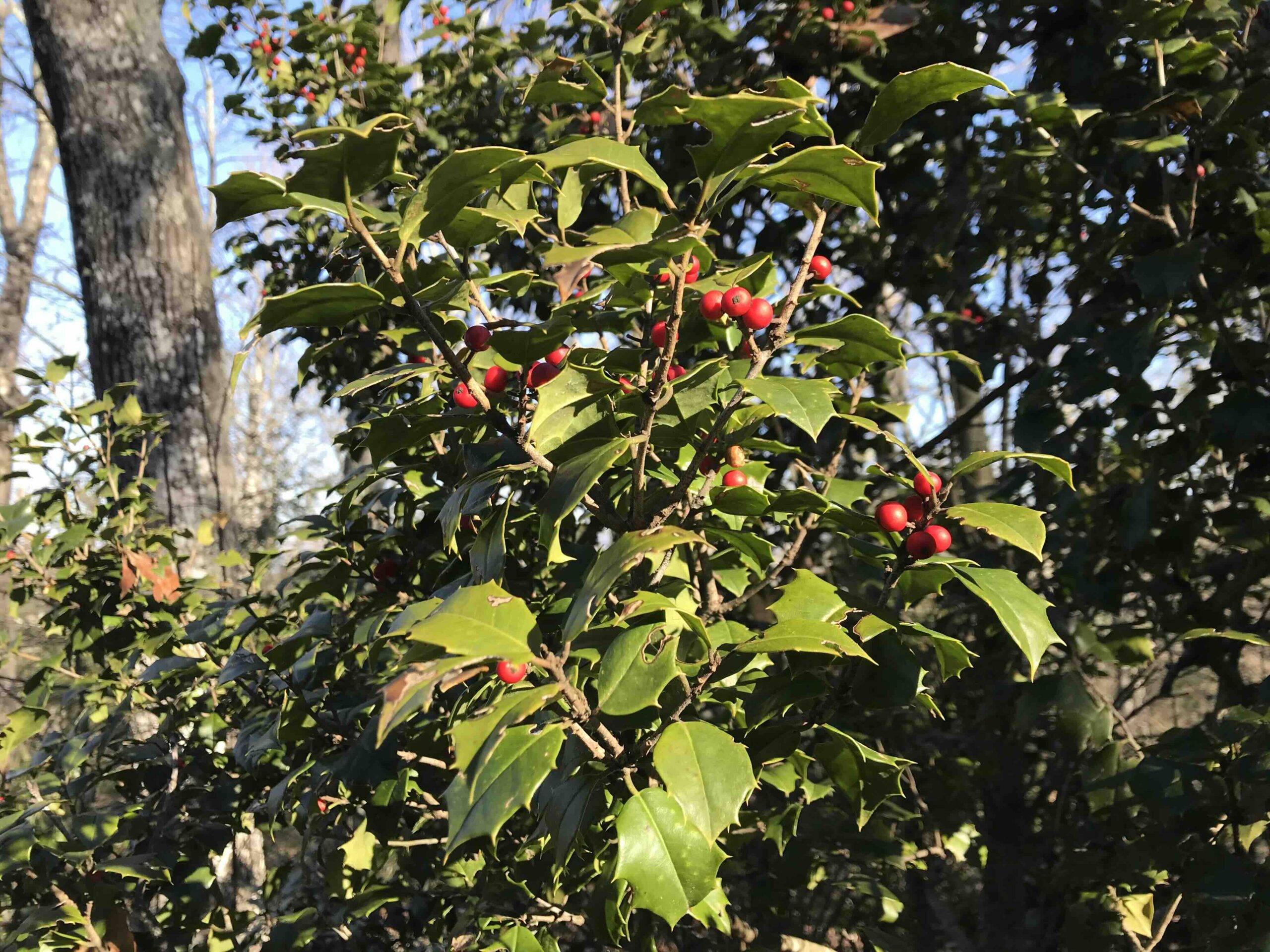
Winter in the Southern Appalachian Mountains represents a period of ecological constraint for resident and short‑distance migratory bird species. At elevations like those found at Southern Highlands Reserve, reduced primary productivity, lower ambient temperatures, and limited daylight hours create energetic bottlenecks for avian communities. Understanding the ecological pressures birds face during this season helps guide effective conservation actions at both landscape and backyard scales.
Birds maintain high metabolic rates year‑round, but winter amplifies their caloric requirements. Small passerines such as Carolina chickadees (Poecile carolinensis), red‑breasted nuthatches (Sitta canadensis), and dark‑eyed juncos (Junco hyemalis) must consume enough energy to offset heat loss during sub‑freezing nights. Insects—an essential protein source—are largely dormant, and natural seed availability declines as herbaceous plants senesce and woody species exhaust their autumn mast.
The Southern Appalachians’ complex topography creates microclimates that can moderate these challenges, but high‑elevation forests still experience prolonged cold periods and snow cover restricting foraging opportunities.
While not a substitute for intact habitat, supplemental feeding can buffer birds against winter resource shortages. Research shows that high‑fat foods improve overwinter survival and body condition in many species. Effective options include:
- Black oil sunflower seeds, which provide high lipid content and are accessible to a wide range of species
- Suet, a concentrated energy source particularly beneficial during extreme cold
- Peanuts (unsalted), offering both protein and fat
- Nyjer seed, supporting finches and other small granivores
- Dried fruits, which mimic natural winter berry resources
Maintaining feeder hygiene is critical. Freeze–thaw cycles can promote fungal growth, and crowded feeding stations can facilitate pathogen transmission. Regular cleaning reduces disease risk.
Finding water is often more difficult than foraging for food in winter. Birds expend significant energy melting snow internally, making accessible water sources ecologically valuable. Heated birdbaths or frequently refreshed water sources reduce thermoregulatory stress and support hydration. Positioning water sources near vegetative cover allows birds to drink while minimizing predation risk.
Winter survival is strongly influenced by habitat complexity. Dense vegetation and structural diversity reduce wind exposure, provide thermal buffering, and offer protection from predators. Key habitat features include:
- Evergreen cover, such as native rhododendron, hemlock, and spruce, which create stable microclimates
- Snags and cavity trees, essential for roosting and shelter
- Brush piles and downed woody debris, which support insect prey and provide refuge
- Native fruiting shrubs, including winterberry holly (Ilex verticillata), viburnums, and serviceberries, which extend natural food availability into winter
Native plant communities underpin the winter food web. Even in dormancy, they support overwintering insects, produce regionally adapted seed and berry crops, and maintain the ecological relationships that resident birds rely on. By planting native species, landowners expand habitat connectivity beyond protected areas and strengthen the resilience of local bird populations.
Winter offers excellent opportunities for monitoring bird populations. Programs such as Project FeederWatch and the Christmas Bird Count generate valuable long‑term datasets that help researchers track population trends, phenology shifts, and responses to climate change. Observations from the Southern Appalachians are particularly important given the region’s status as a biodiversity hotspot.
By integrating supplemental feeding, habitat enhancement, and native plant stewardship, we can meaningfully support overwintering birds in our region. These actions help species integral to the web of life in the Blue Ridge Mountains and beyond.