
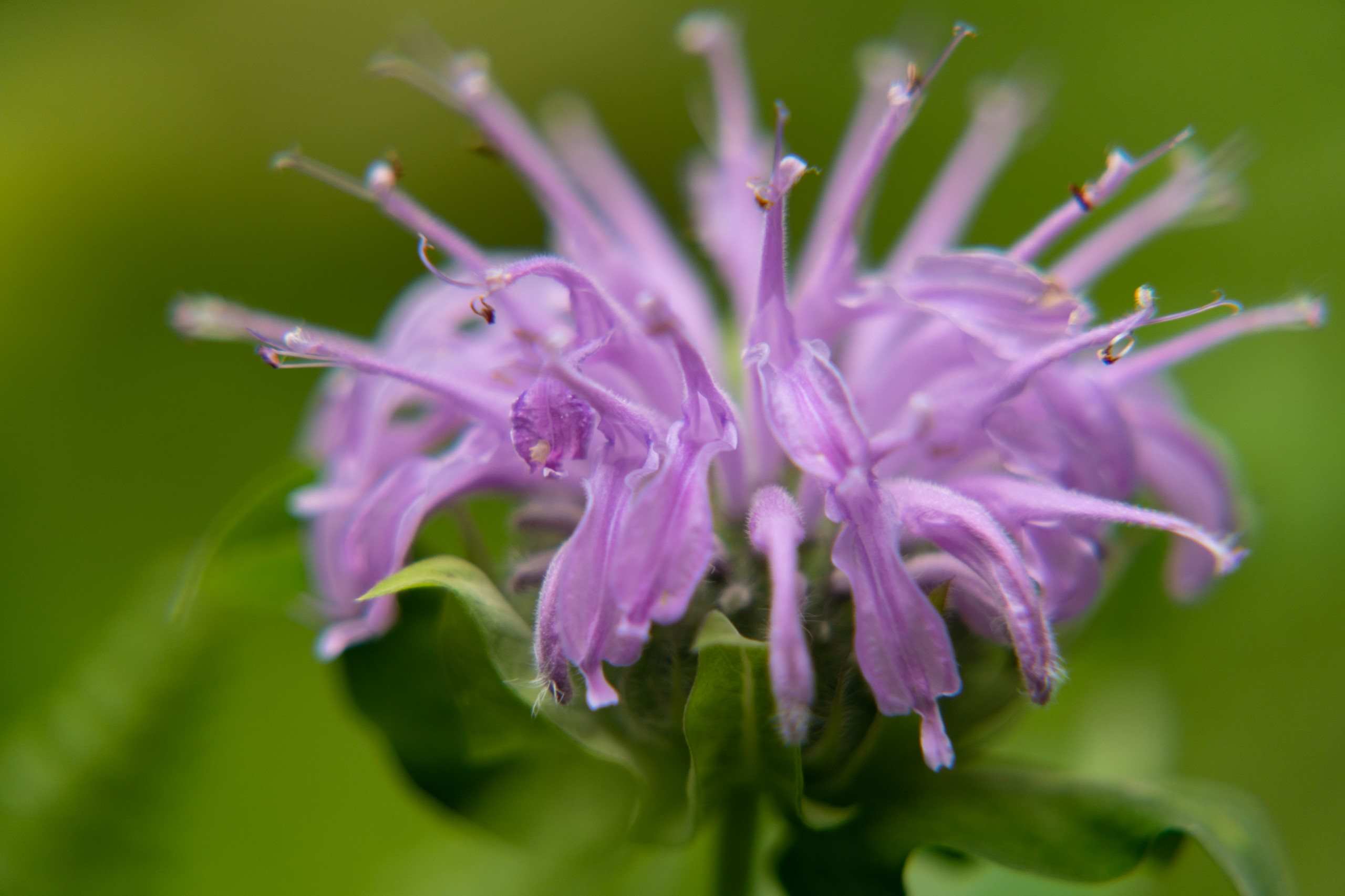
Summer in Western North Carolina is the season for which we garden. Long days, afternoon thunderstorms, cool nights at elevation — it is, in every respect, the best time to be on this mountain. The forest is at peak density, the living collection is in full expression, and the work is everywhere you look.
This summer, one of the topics at the forefront of our horticultural planning is wildlife pressure — specifically, the impact of deer on our native plant collection.
Deer browsing is a chronic challenge for any native plant garden in the Southern Appalachians, and we are no exception. Deer are selective feeders with remarkable memory; once they discover a food source, they return with purpose. For a garden like ours — where individual specimen plants may represent years of propagation effort and irreplaceable genetic material — a single deer event can have outsized consequences.
Our approach to deer pressure is multi-pronged and adaptive. We use a combination of physical barriers, including targeted fencing around high-value or vulnerable specimens, and repellent applications — both granular and liquid formulas applied at regular intervals. The timing and intensity of these applications is responsive to animal activity, weather, and garden programming, since we want to maintain a welcoming environment for human visitors even as we deter our four-legged ones.
We are also paying close attention to the data: tracking which species and which garden areas are most affected, when pressure peaks, and whether our current interventions are holding. This is slow, careful science — the same kind of observation that underlies everything we do here.
Recommended Pollinator Plants for WNC Zone 7 Gardens
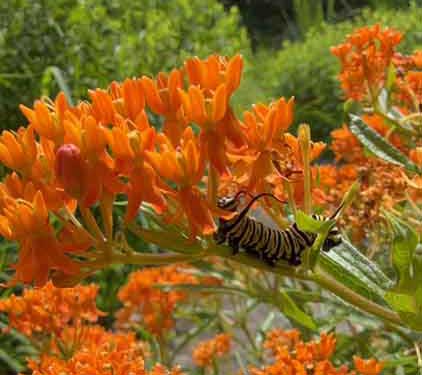
While we work to protect our collection from deer, we are simultaneously focused on increasing the pollinator value of our plantings — and we encourage you to do the same at home. The Southern Appalachians sit at an extraordinary crossroads of biodiversity, and gardeners in Zone 7 have access to a remarkable palette of native plants that support bees, butterflies, hummingbirds, and other essential pollinators throughout the growing season.
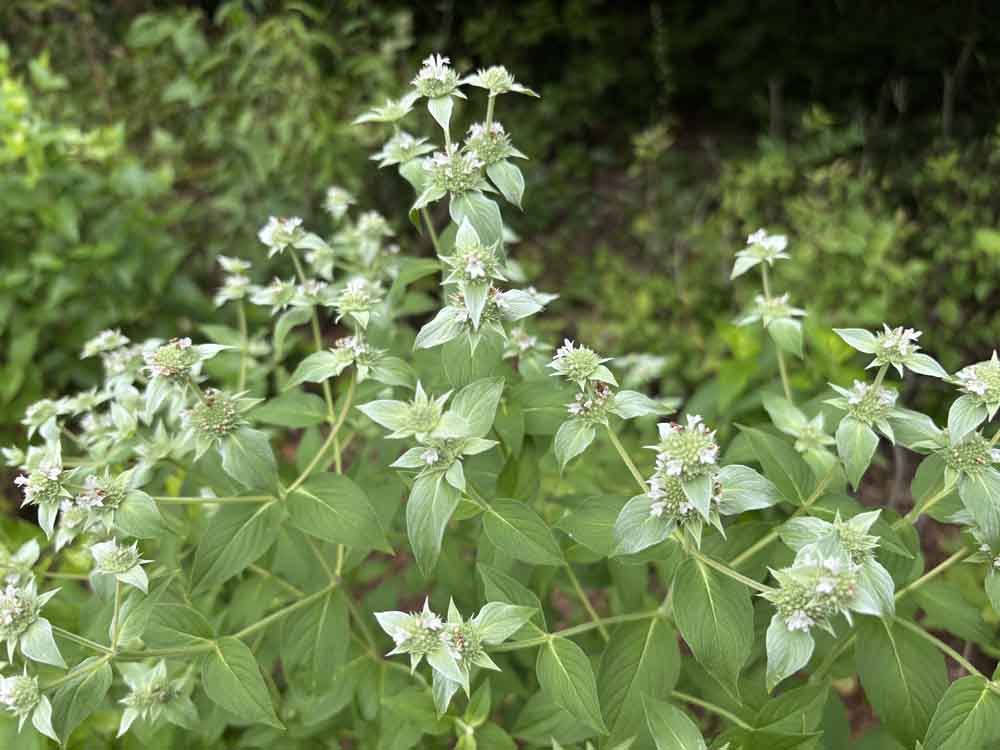
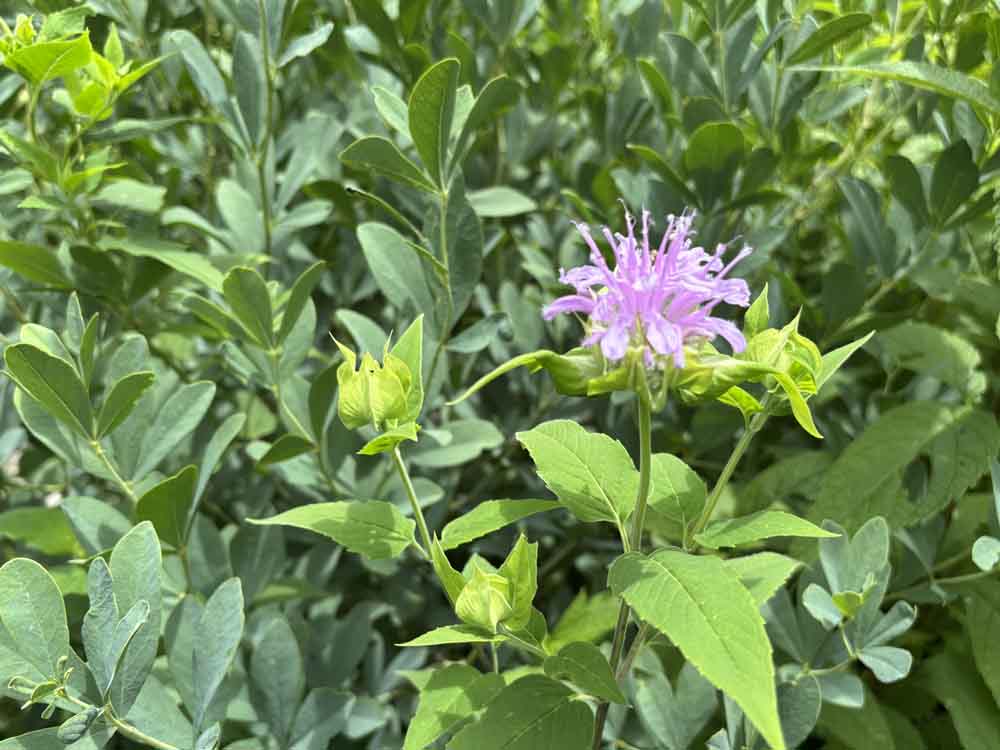
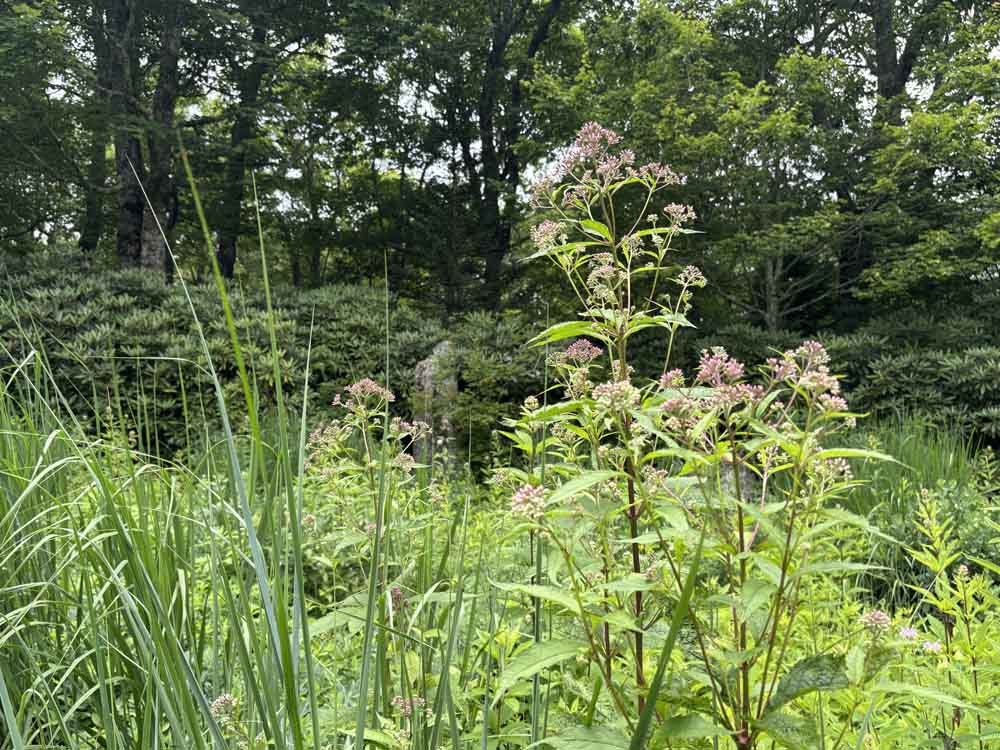
Joe-Pye weed (Eutrochium purpureum) blooms in late summer when many other plants have finished, making it invaluable for monarchs and swallowtails preparing for migration.
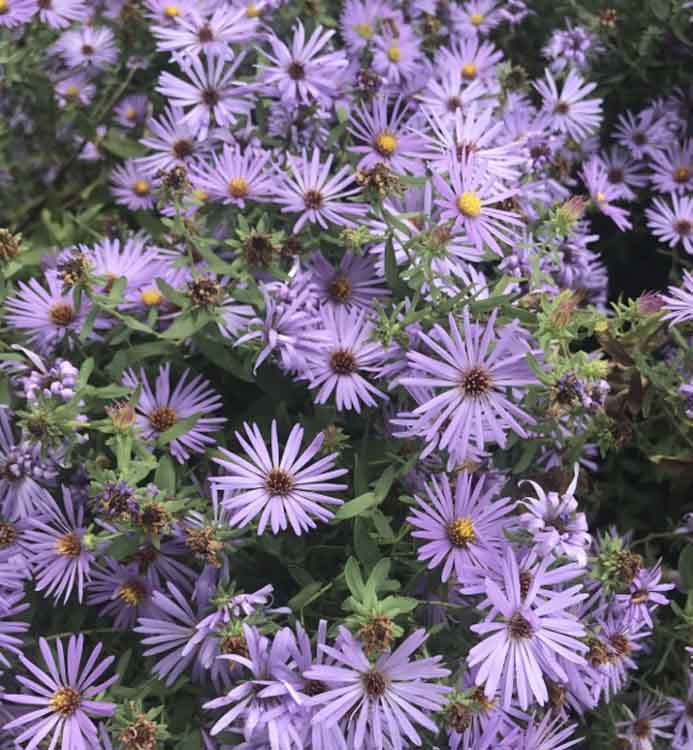
Native asters (Symphyotrichum spp.) and goldenrods (Solidago spp.) close out the season in September and October, providing a critical nectar source for pollinators before the first frost — and seeds for overwintering birds.
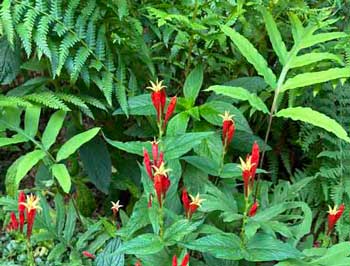
Many of these plants will be available at our Community Native Plant Sale on July 31st. Our staff will be happy to help you select the right species for your specific conditions — sun exposure, moisture, and soil type all matter, and we love talking plants.
If you have questions about deer management or native plant selection for deer-resistant landscapes, do not hesitate to ask during your visit.